
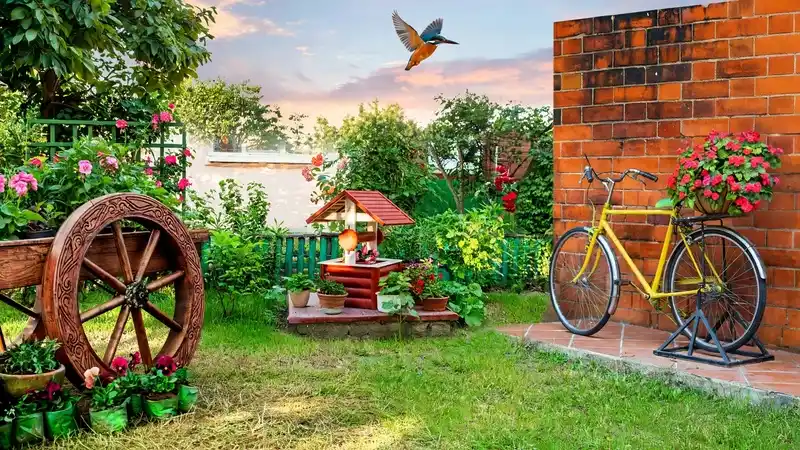
A beautiful garden can transform an ordinary outdoor area into a peaceful and welcoming space. Whether we have a small backyard, a spacious lawn, a balcony, or a decorative terrace, thoughtful gardening can improve the appearance and functionality of our surroundings. However, maintaining a healthy garden requires more than planting flowers and watering them occasionally. It involves understanding soil conditions, choosing suitable plants, providing proper sunlight, and following consistent maintenance practices.
Garden advice homenumental offers a useful starting point for exploring different gardening techniques and understanding how to create outdoor spaces that remain attractive throughout the year. From selecting plants and preparing garden soil to controlling weeds and designing decorative landscapes, the right information can make gardening easier for beginners and experienced homeowners.
A successful garden does not necessarily require expensive materials or professional landscaping services. With careful planning, suitable plant choices, and regular attention, we can develop an outdoor environment that reflects our preferences and supports healthy plant growth.
1. Understanding the Basics of Gardening
Before starting a gardening project, it is important to understand the basic requirements of plants. Most garden plants need suitable sunlight, healthy soil, sufficient water, and enough room to grow.
Different plants have different growing requirements. Some varieties perform well in direct sunlight, while others prefer partial shade. Similarly, certain plants require frequent watering, whereas others grow better in relatively dry conditions.
Understanding these differences helps us make better decisions when selecting plants for our gardens.
We should also consider the available outdoor space. A small garden may benefit from containers and vertical planting, while a larger backyard can accommodate flower beds, shrubs, trees, and decorative pathways.
2. Choosing the Right Plants for Your Garden
Plant selection is one of the most important parts of garden planning. Choosing suitable varieties according to local weather conditions and available space can make maintenance considerably easier.
Flowering Plants
Flowering plants introduce color and visual interest into outdoor spaces. Roses, marigolds, petunias, and hibiscus are popular choices for different garden settings.
Before planting flowers, we should check their sunlight and watering requirements. Proper spacing also helps improve airflow and allows plants to develop naturally.
Green Plants and Shrubs
Green plants and shrubs provide structure and a natural appearance. They can be used along garden borders, around pathways, or near outdoor seating areas.
Selecting plants according to their mature size helps prevent overcrowding and reduces the need for frequent repositioning.
Seasonal Plants
Seasonal flowers provide opportunities to refresh garden designs throughout the year. Some varieties grow best during cooler months, while others prefer warmer conditions.
Planning seasonal planting schedules allows us to maintain an attractive garden in changing weather conditions.
3. Preparing Healthy Soil for Better Plant Growth
Healthy soil provides the foundation for successful gardening. It supplies plants with essential nutrients, supports root development, and helps regulate moisture.
Before planting, we should examine the soil texture and drainage. Some soils retain too much water, while others dry out quickly. Adding suitable organic matter can improve soil structure and support better growing conditions.
Compost is a useful material because it contributes organic matter and improves soil quality. It can be produced from suitable kitchen scraps, dry leaves, and other compostable garden materials.
We should avoid adding excessive fertilizer without understanding the soil’s requirements. A soil test can help identify nutrient deficiencies and provide guidance about suitable amendments.
4. Proper Watering Techniques for Healthy Gardens
Watering is essential for plant health, but the correct amount depends on plant type, soil conditions, temperature, and weather.
Rather than following the same watering schedule for every plant, we should observe soil moisture and understand individual plant requirements.
Watering near the base of plants helps deliver moisture closer to their roots. Early morning is often a suitable time because it allows plants to absorb water before warmer daytime conditions.
Overwatering can create problems by reducing oxygen availability around roots and encouraging certain plant diseases. On the other hand, insufficient water can affect growth and flowering.
A balanced watering routine helps maintain healthier plants while reducing unnecessary water consumption.
5. Garden Decoration and Landscaping Ideas
A garden should be both attractive and practical. Simple landscaping choices can improve its appearance without making maintenance complicated.
Create Organized Flower Beds
Flower beds help separate different plant varieties and create an organized landscape. We can combine plants with different heights, colors, and flowering periods to create visual interest.
Add Decorative Pathways
Garden pathways make outdoor areas easier to navigate. Gravel, stepping stones, bricks, and suitable paving materials can create practical walking routes.
Use Garden Containers
Decorative pots and containers are useful for small gardens, balconies, and terraces. They also make it easier to rearrange plants when necessary.
Include Comfortable Seating
A small seating area can make a garden more useful for relaxing and enjoying outdoor surroundings. Weather-resistant furniture is generally a practical choice for exposed spaces.
These ideas show how garden advice homenumental can help readers explore both functional gardening techniques and attractive outdoor design possibilities.
6. Maintaining Your Garden Throughout the Year
Regular maintenance helps gardens remain organized and supports healthy plant development. Different seasons bring different gardening responsibilities, so maintenance should be adjusted according to local weather.
During warmer periods, we should monitor soil moisture, remove unwanted weeds, and protect sensitive plants from excessive heat.
During cooler months, attention can shift toward seasonal planting, pruning suitable plants, and protecting vulnerable varieties from unfavorable weather.
Removing dead leaves, cleaning pathways, checking plant health, and maintaining garden tools are useful tasks throughout the year.
A simple gardening schedule makes these responsibilities easier to manage.
7. Natural Ways to Manage Garden Weeds
Weeds compete with garden plants for sunlight, water, nutrients, and growing space. If left unmanaged, they can affect the appearance and health of a garden.
Regular inspection helps identify unwanted growth before it spreads extensively.
Hand-pulling is suitable for small areas, especially when the soil is slightly moist. Mulching around established plants can also help reduce weed growth by limiting available light.
Organic mulch materials include dry leaves, suitable wood chips, and straw. They can also help conserve soil moisture.
When removing weeds, we should take care not to disturb the roots of nearby plants.
8. Organic Gardening and Sustainable Practices
Organic gardening focuses on maintaining healthy growing conditions while reducing unnecessary dependence on synthetic products.
Composting, mulching, crop rotation, and selecting suitable plant varieties are useful practices for supporting sustainable gardens.
Compost provides organic matter that improves soil structure. Mulching helps conserve moisture, while crop rotation can reduce the buildup of certain soil-related problems in vegetable gardens.
Encouraging beneficial insects is another valuable gardening practice. Flowering plants can attract pollinators, including bees and butterflies, which contribute to healthy garden ecosystems.
We should also use water responsibly by collecting rainwater where appropriate and selecting plants that suit local environmental conditions.
9. Growing Vegetables in a Home Garden
Growing vegetables at home can be a rewarding activity. Even a small outdoor area can support selected vegetables when growing conditions are suitable.
Tomatoes, lettuce, spinach, chilies, and herbs are examples of plants that can be grown in home gardens, depending on the climate and season.
Before planting vegetables, we should consider sunlight, container size, soil quality, and watering requirements.
Vegetable plants generally benefit from nutrient-rich soil and suitable spacing. Regularly checking leaves and stems also helps identify potential problems early.
Harvesting vegetables at the appropriate stage supports better quality and encourages continued care of the garden.
10. Common Gardening Mistakes to Avoid
Gardening becomes easier when we understand the mistakes that can affect plant development.
Overwatering: Providing excessive water can damage roots and create unfavorable soil conditions.
Poor Plant Selection: Choosing plants without considering local climate and sunlight can make maintenance difficult.
Ignoring Soil Quality: Unhealthy soil may not provide the conditions needed for proper growth.
Overcrowding Plants: Planting too closely can reduce airflow and limit available growing space.
Using Too Much Fertilizer: Excessive fertilizer can negatively affect plants and soil conditions.
Neglecting Regular Maintenance: Delaying weeding, pruning, and cleaning can make garden management more difficult.
Avoiding these common mistakes helps create a more manageable and productive outdoor environment.
11. Gardening Tips for Small Outdoor Spaces
Limited space does not mean we cannot enjoy gardening. Small balconies, patios, and terraces can support attractive plant arrangements with thoughtful planning.
Vertical gardening is one useful approach. Wall-mounted planters and suitable shelving allow us to arrange plants without using too much floor space.
Hanging baskets can also introduce greenery into unused areas. Containers with proper drainage are particularly important for maintaining healthy roots.
Choosing compact plant varieties and arranging containers according to sunlight availability can help make small gardens more functional.
We should also avoid overcrowding because plants need enough room for healthy growth.
12. How to Protect Plants From Common Problems
Plants can experience different problems caused by insects, diseases, unfavorable weather, and unsuitable growing conditions.
Regularly inspecting leaves, stems, and soil helps identify changes early. Yellowing leaves, unusual spots, and weak growth may indicate that a plant needs attention.
Good garden hygiene is important. Removing infected plant material, cleaning tools, and avoiding unnecessary overhead watering can help reduce certain disease risks.
If a pest problem develops, identifying the insect before selecting a treatment is important. Any garden product should be used according to its label instructions and appropriate safety precautions.
Maintaining healthy soil, suitable spacing, and balanced watering can also support stronger plants.
13. Creating a Gardening Routine That Works
A consistent gardening routine helps us manage responsibilities without making the process overwhelming.
Weekly activities may include checking soil moisture, removing visible weeds, inspecting plants, and cleaning outdoor areas.
Monthly activities can include reviewing plant growth, checking containers, refreshing suitable mulch, and cleaning gardening equipment.
Seasonal tasks depend on local conditions and may include planting new varieties, pruning appropriate plants, and preparing outdoor spaces for changing temperatures.
Keeping simple notes about planting dates, watering needs, and plant performance can also help us understand what works best in our gardens.
Conclusion
A beautiful and healthy garden develops through thoughtful planning, suitable plant selection, healthy soil, balanced watering, and regular maintenance. Whether we are working with a small balcony or a spacious backyard, practical gardening techniques can help us create outdoor spaces that are attractive and easier to manage.
By understanding plant requirements, improving soil quality, controlling weeds, and adopting sustainable practices, we can support better garden growth throughout the year.
Garden advice homenumental provides a helpful foundation for exploring gardening ideas, learning essential maintenance techniques, and making informed decisions about outdoor spaces. With patience and consistent care, gardening can become a rewarding part of everyday home life. Click here see more details.
